Most people are looking for tips to be more productive. Daily responsibilities often leave no time for hobbies, rest and family activities. Working every minute does not mean better productivity. It’s about using time wisely, focusing on priorities and making room for things that bring joy and balance to life.
Why It Is Difficult to Get More Done
At the same time modern life is full of responsibilities. One may have to work, take care of family members, do household chores, learn new skills, and keep himself/herself healthy. All of these demands are competing for your attention so you don’t know what to pay attention to first.
People often believe they must do everything perfectly. This idea often leads to stress and disappointment. But the truth is otherwise. Most successful people don’t try to do it all at once. They know what’s most important, and put their energy there.
It’s useful to know how time is being spent right now before you try to increase productivity. Looking honestly at daily habits often reveals activities that take up more hours than anticipated. Little changes can add up to big improvements over weeks and months.
Tips to Get More Done by Focusing on Priorities
A useful thing to do is to name the most important roles in life. Everyone has different values and responsibilities. Some are focused on family, some on education, career, community, or personal growth.
Rather than trying to do well in ten areas at once, pick a few that need the most attention. This does not mean that you should ignore everything else. It simply means that you have to be willing to accept that not all work takes the same effort.
A simple process can help:
- Write down all major roles and responsibilities in your life.
- Decide which three or four are most important right now.
- Define what success means for each role.
- Remove unnecessary pressure from less important areas.
Understanding Personal Goals

Goals direct our day–to–day actions. People are busy without clear goals and make little progress. A goal doesn’t have to be elaborate. It could be health, spending more time with family, learning a new skill, saving money, etc.
When you have concrete goals, it’s easier to make daily choices. Instead of deciding what to do next, a person can select activities that will support the direction chosen.
Clear goals help you avoid burn out too. Energy is finite. Spending that energy on the things that matter is generally more rewarding than being in constant reaction mode to random requests throughout the day.
Build Routines That Reduce Daily Stress
Routines help remove unnecessary decisions. When important actions become habits, they require less mental effort. Many productive people rely on routines because consistency often produces better results than motivation alone.
A useful routine does not need to be complicated. It should support physical health, mental focus, and personal well–being. Morning, afternoon, and evening routines can all provide structure.
The best routine is one that fits real life. A complicated schedule often fails because it is difficult to maintain. Small and realistic habits usually last much longer.
Creating Habits That Last
Many people try to change too much at once. They add several new habits in a single week and quickly become overwhelmed. A better approach is introducing one habit at a time.
Consistency matters more than intensity. Reading for ten minutes every day often creates better results than reading for two hours once a month. Small actions repeated regularly become part of everyday life.
Limit Daily Tasks for Better Productivity
Large task lists may look productive, but they often create frustration. When twenty items appear on a list completing only a few may feel like failure even when significant progress was made. Many productivity experts recommend selecting only a small number of essential tasks each day.
A practical daily system may include
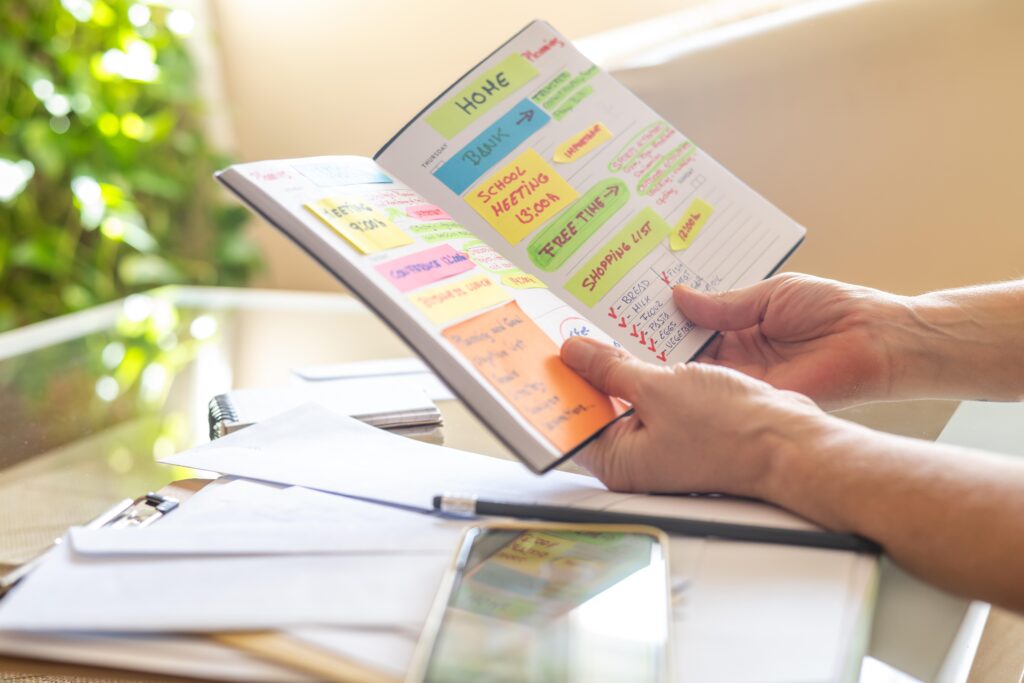
- Choose three essential tasks each morning.
- Complete the highest–priority task first.
- Add extra tasks only after core work is finished.
- Review progress before ending the day.
It provides you a feeling of accomplishment. Important tasks are given priority over wasting energy on less important tasks.
People also get more flexible. You can do some more work on very productive days. Even on bad days you’re still likely to get the most important things done.
Give Yourself Grace When Plans Change
Unexpected events happen regularly. Children become sick, work demands increase, appointments run late, and personal energy levels change from day to day. Productivity systems must allow room for these realities.
Many people are far more forgiving toward friends than toward themselves. They understand when others make mistakes but become highly critical of their shortcomings.
Long–term productivity is promoted by self–compassion. Constant self–criticism often diminishes motivation and raises stress. Those who accept occasional setbacks recover faster and continue to move forward.
A missed task today seldom causes disaster. Most of these responsibilities can be done tomorrow or later in the week. Maintaining perspective can help prevent unnecessary anxiety.
Productivity should improve life. Not make it heavier. A balanced approach recognizes that rest, relationships and personal well–being are valuable aspects of success.
Schedule Time for Fun and Personal Interests
Fun activities are often treated as rewards that happen only after all work is complete. Unfortunately, work is rarely completely finished. New responsibilities appear every day.
So you plan fun things that help you keep them in your life. Family get–togethers, hobbies, exercise, reading, social occasions and quiet relaxation are all factors in emotional wellbeing.
Adding these activities to a calendar increases the likelihood that they will actually take place. Scheduled fun is a promise, not an afterthought.
Comments are closed